When your legs feel fine sitting down — but fill with concrete the moment you stand: Discover a three-part back routine you can use at home.
What made me look more closely

A different way to think about back problems
What I added to my daily routine

Someone I know put it better than I ever could. This is Margaret's story, in her own words.

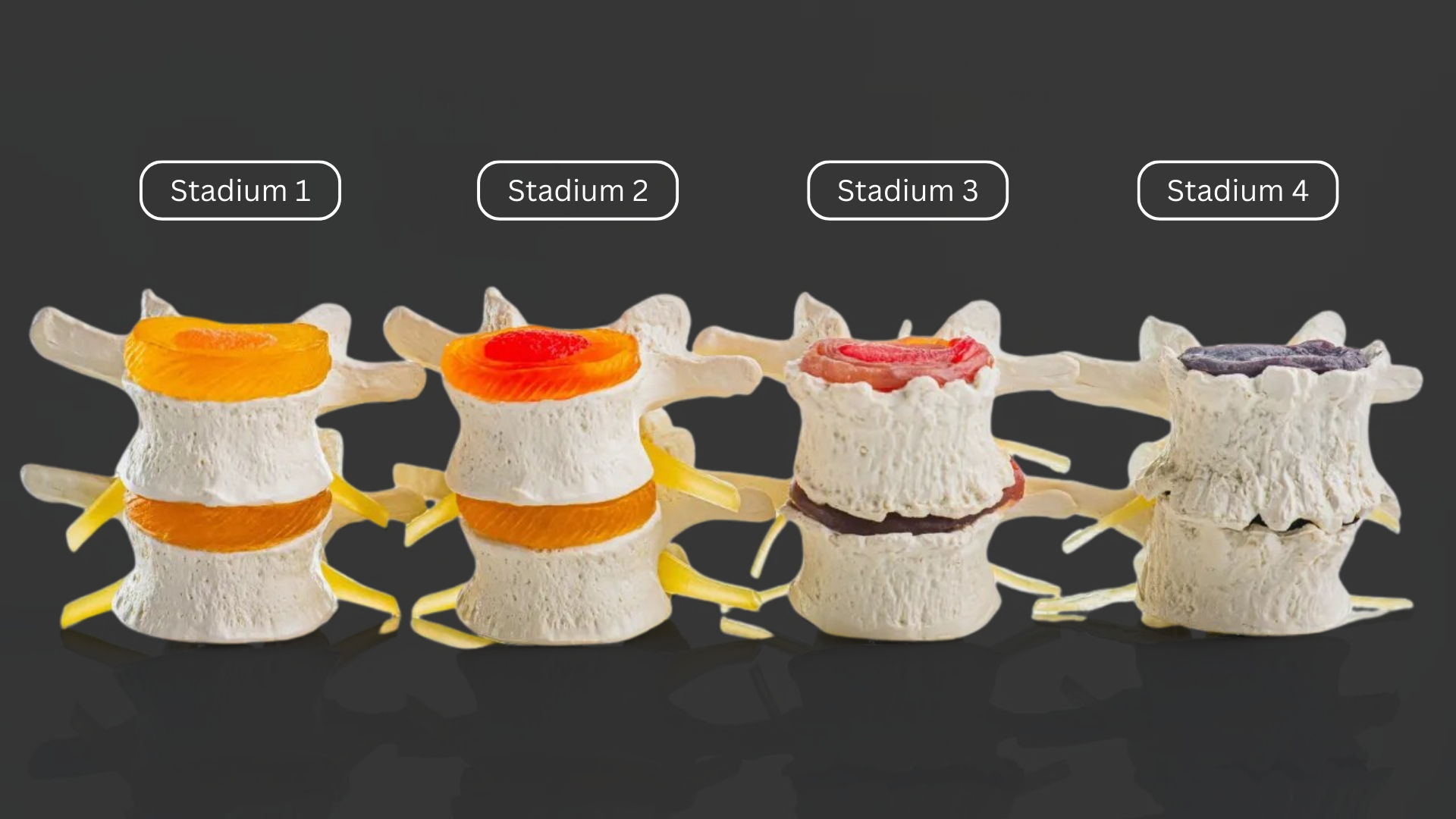
Why daily attention to your lower back can make a difference


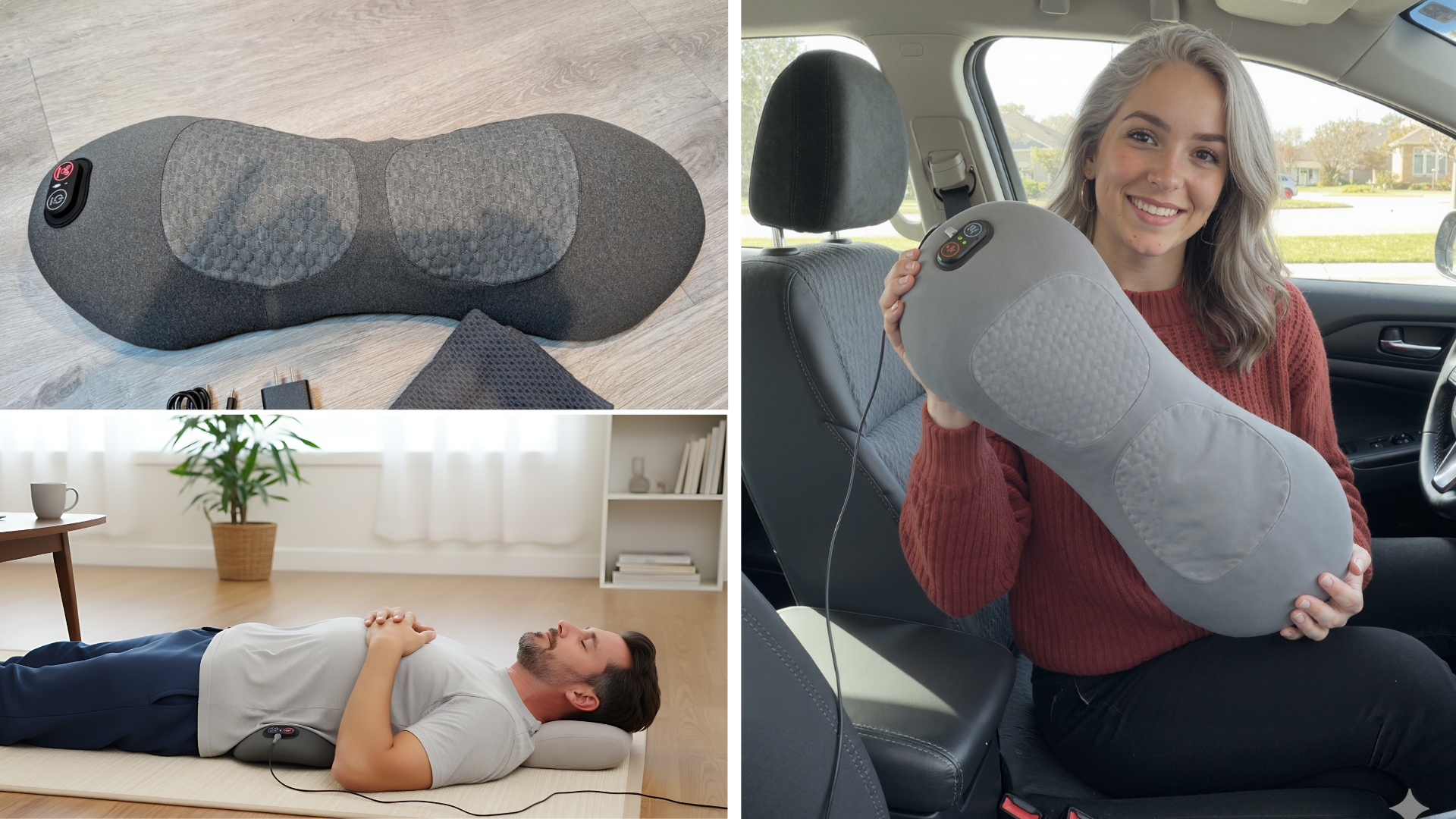
The TriFlex Restore™ System combines three functions that work together:
1. Gentle stretching mode:
2. Targeted deep massage:
3. Infrared warmth:
My experience with Orthevia OrthoVital™ Pro
The science behind this concept:

Kim T-H et al., Healthcare (Basel) 2023;11(7):991 — randomized controlled trial on the combined application of heat and massage for non-specific lower back discomfort.[1]
What I value about using the OrthoVital™ Pro
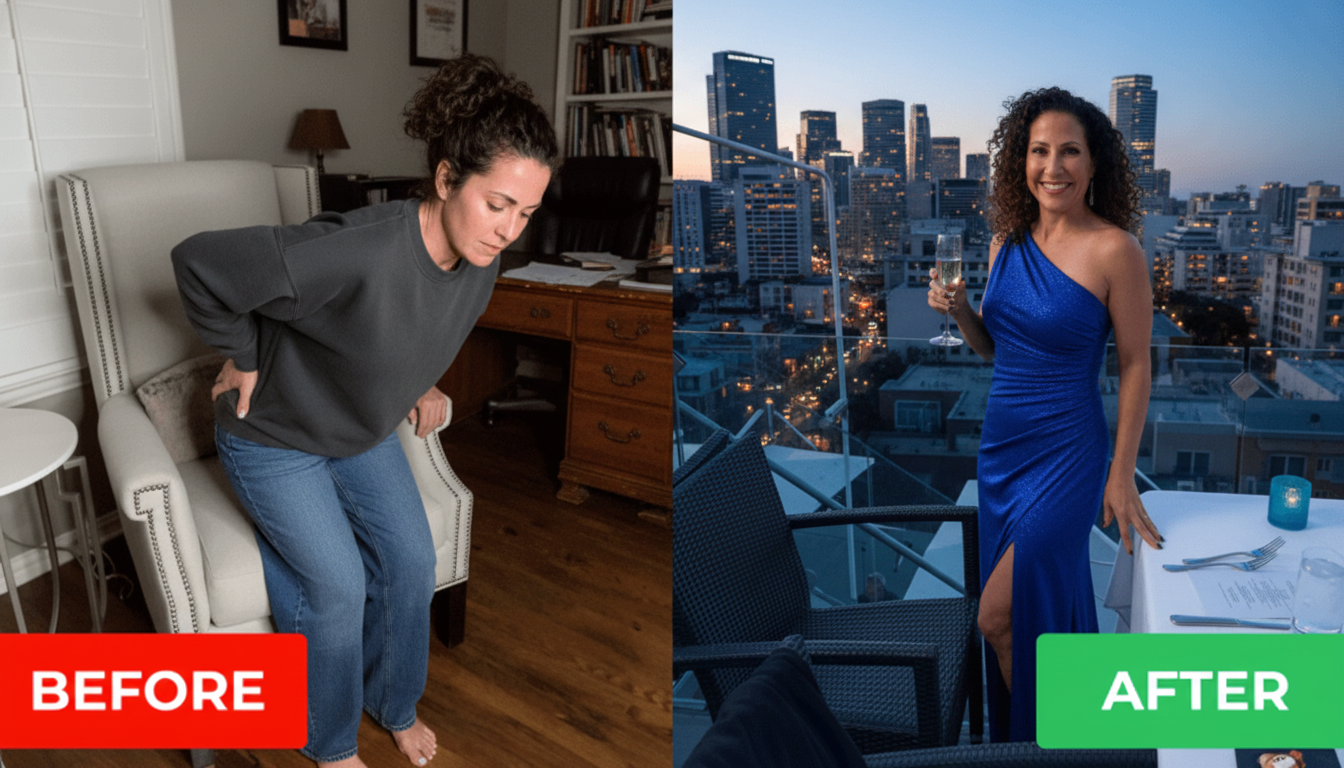
"Within the first few days, my legs felt noticeably lighter when walking. I can now manage longer walks than before — I really didn't expect that!"

The uncomfortable feeling in my legs that had been with me for months has noticeably eased over the first few weeks. My comfort has noticeably improved.

"For a long time, I didn't know what to do about my back. Since using OrthoVital™ Pro, I feel noticeably more mobile — and I can face each day with more confidence."

"I'm 72 and never thought my back could feel this good again. My family says I seem much more relaxed and mobile. That means the world to me. ♥"
Individual experiences may vary. OrthoVital™ Pro is not a medical device.



Imagine starting tomorrow morning feeling lighter.

LIMITED AVAILABILITY: HIGH DEMAND FOR THE NEW BACK INNOVATION



SOURCES
1. Kim T-H, Park S-K, Cho I-Y, Lee J-H, Jang H-Y, Yoon Y-S. Substantiating the Therapeutic Effects of Simultaneous Heat Massage Combined with Conventional Physical Therapy for Treatment of Lower Back Pain: A Randomized Controlled Feasibility Trial. Healthcare (Basel). 2023;11(7):991. PMC10093909
The study examined the combined application of heat and massage as a method, not the OrthoVital™ Pro. Pilot study with 40 participants.